MVP Software Development
Sentia has worked with Sydney founders since 2006, and we built Airtasker, Shippit and RANGEme from scratch. We cut version one down to the one job it must do, then build it for the web or mobile on foundations you can grow on.
build with Sentia





MVP software development, built to last past launch.
Small in scope, not in quality.
An MVP should do one job well enough for real users to adopt it. We cut features, not foundations, so version one is something you can build on.
We've built startups from scratch.
We built Airtasker, Shippit and RANGEme from scratch. The systems we built at startup stage for founders like these are still running at scale today.
We back the ideas we believe in.
If we think we can add value and your project fits our values, we'll offer to share the risk with you, whatever your financial situation.
Version one, on the platform your users need.
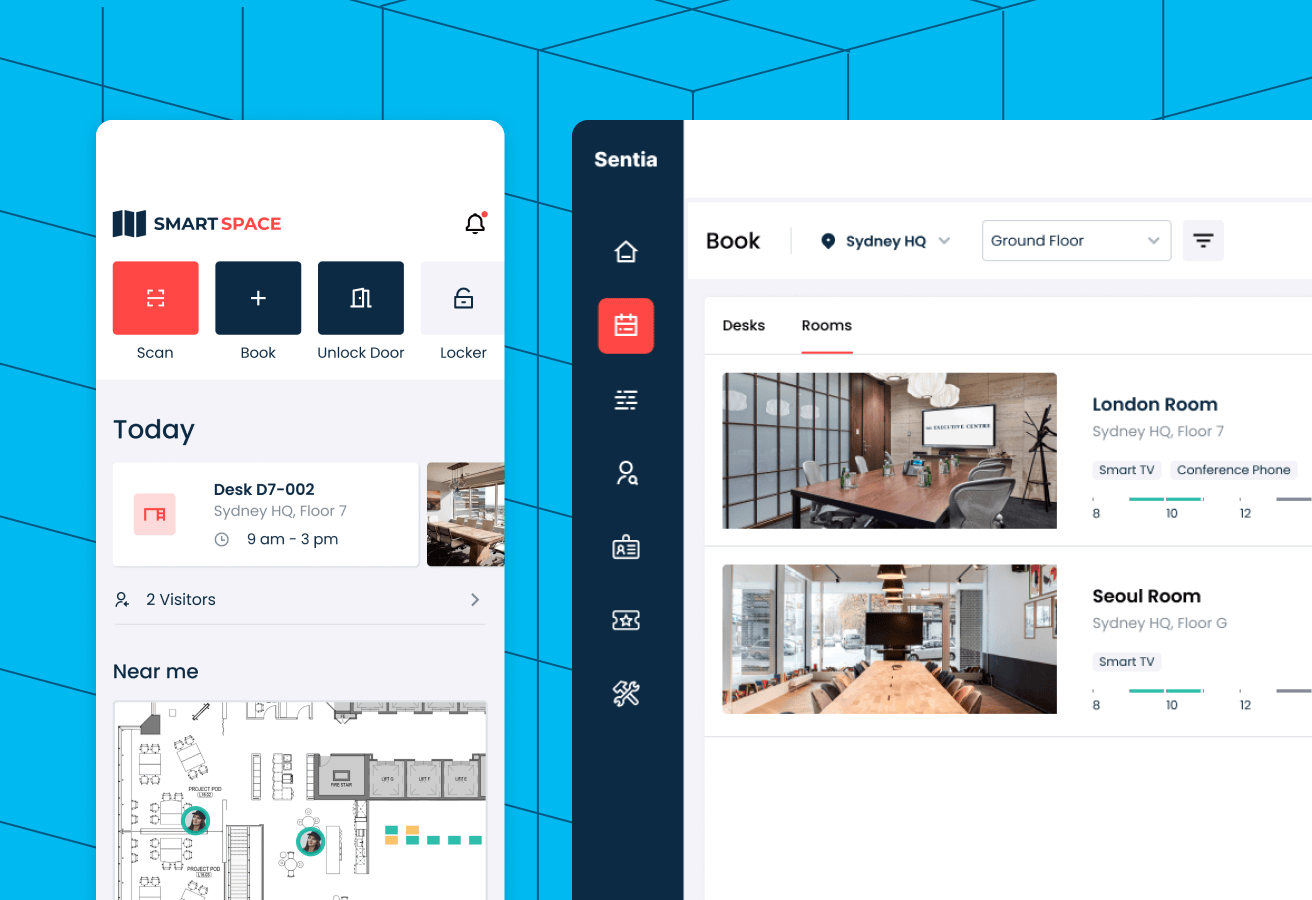
Desk and room booking, on the web and on the phone.
Custom MVP software development, scoped so it ships.
Most MVPs start on the web. We build the first version in Ruby on Rails, with the accounts, billing and admin tools a real product needs from its first user.
Explore web developmentThe framework behind Airtasker, Shippit and RANGEme. Explore Ruby on Rails
Plans, trials, upgrades and role-based access built into the first release.
Stripe and other payment providers connected, so you can charge from day one.
A back office for users, content and support, so nobody edits the database by hand.
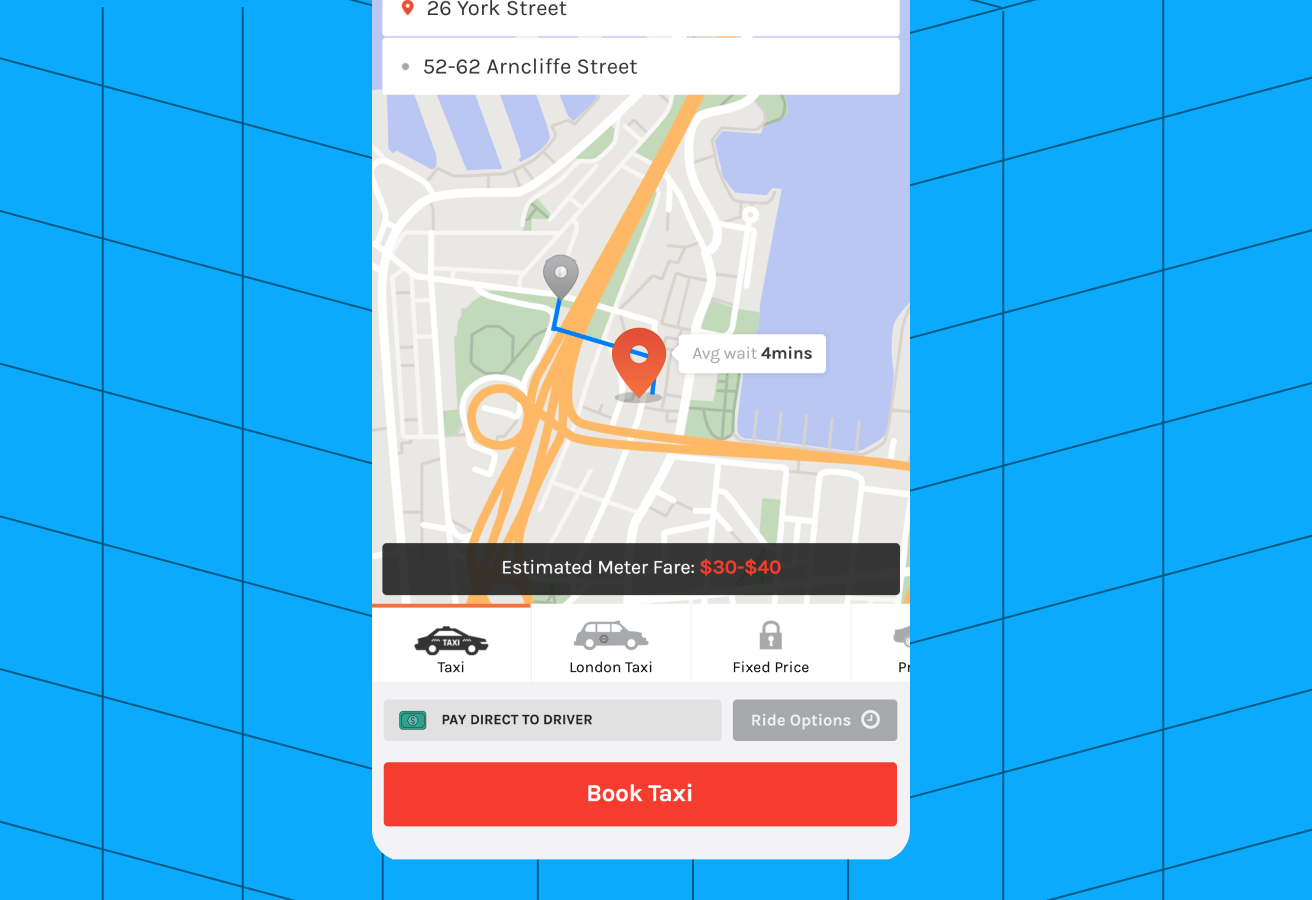
Taxi booking, with live fare estimates and ride options.
Mobile app development for startups.
When the product lives on the phone, version one is an app. We build iOS and Android MVPs, natively or from one cross-platform codebase, with the back end they need behind them.
Explore mobile app developmentBuilt natively in Swift and Kotlin, or React Native for a shared codebase.
One codebase for both stores, where it suits the app and the budget. Explore cross-platform
We handle submission, review management and release cycles.
APIs, admin tools and data built alongside the app, by the same team.
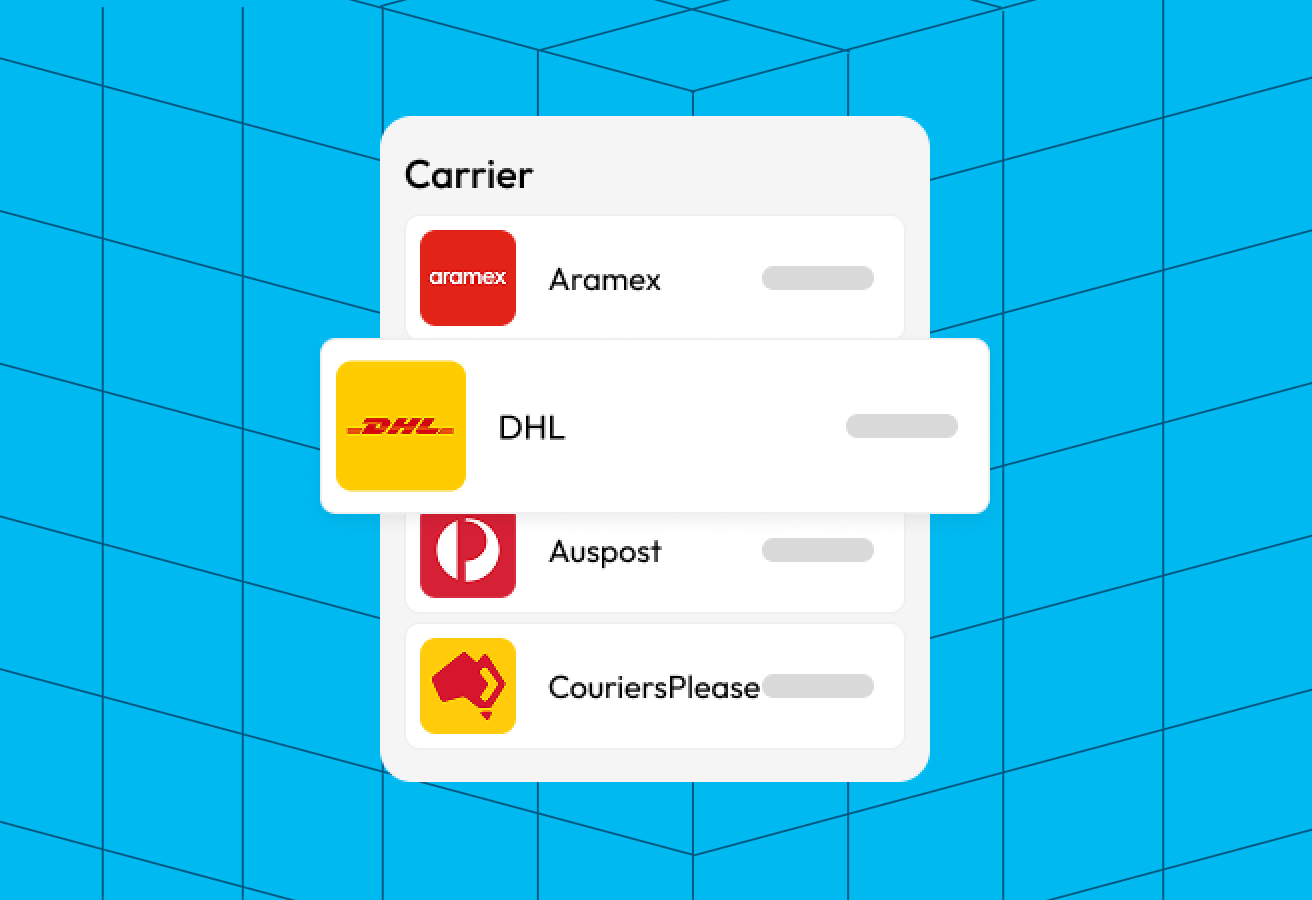
Choosing a delivery carrier at checkout.
Two-sided marketplaces, built for both sides.
Airtasker and RANGEme both started as marketplaces that had to work for two sides at once. A marketplace MVP still needs payments, trust and matching to work on day one, so we build those properly and keep the rest lean.
Explore marketplace platformsProcessing, escrow and split payment flows built for both sides of the market.
Help buyers find what they need and sellers get discovered.
Identity checks, reviews and verification flows that build confidence.
Dashboards for managing users, listings and disputes on both sides.
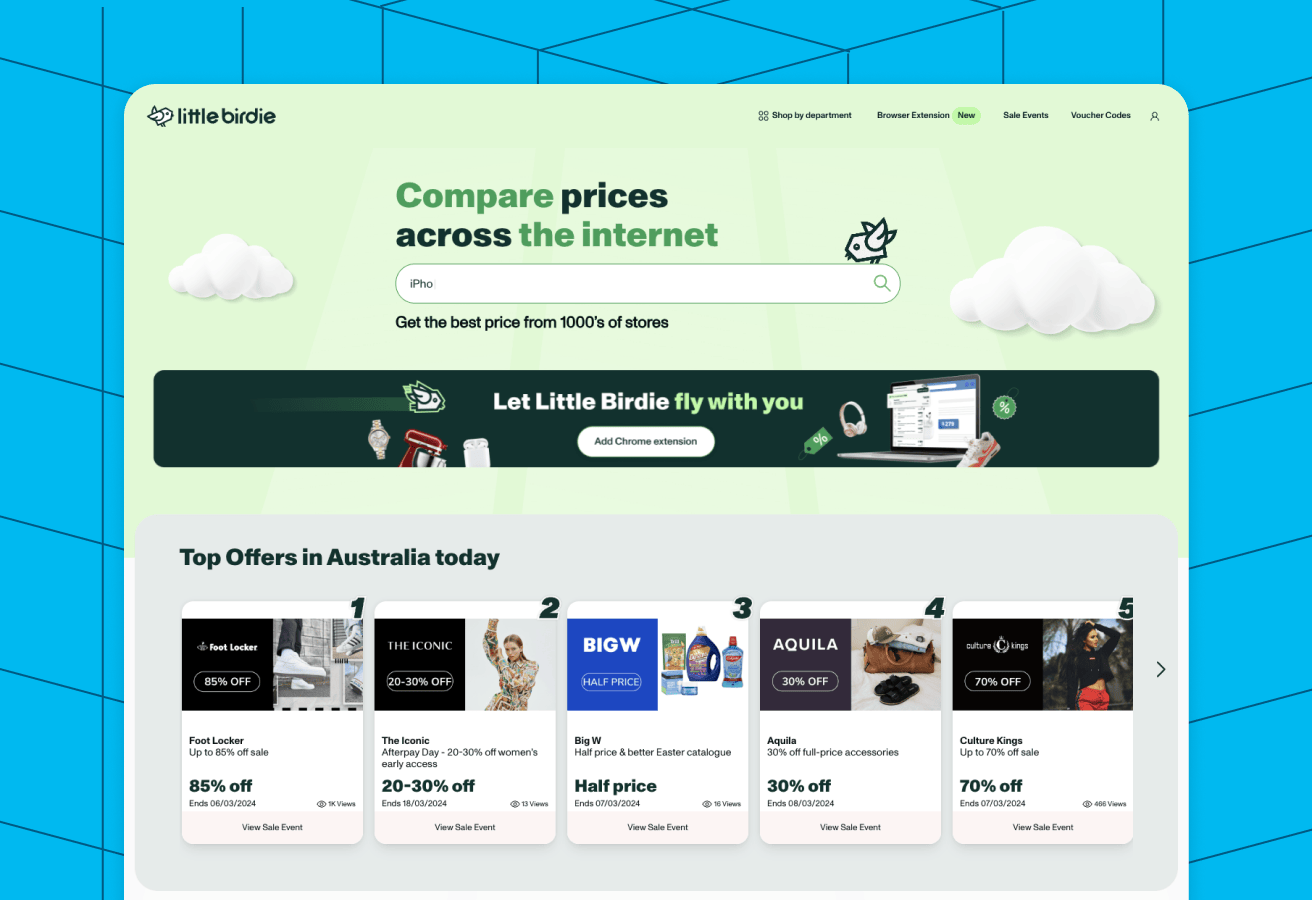
Price comparison across online stores, with the day's top offers.
After launch, version one keeps growing.
Once real users are in, the work moves to learning what they do and building what's next. Because version one was built on solid foundations, you extend it rather than rebuild it.
See our workAnalytics and user feedback that show which features people actually use.
Improvements shipped in small, regular releases as you learn.
Architecture that handles growth without rewrites.
Keep the product secure and current, managed by us or alongside your team.
What goes into version one, and what waits
The one job it must do.
Every MVP starts with the problem it solves and who it's for. We find the smallest feature set that does that job well enough for people to adopt.
What can wait.
Nice-to-haves go on the roadmap, not into version one. Features nobody uses at launch cost money and slow down the feedback you need.
How you'll know it works.
We agree up front what success looks like, from sign-ups to repeat use, and build in the analytics to measure it from the first release.
The foundations you never cut.
Security, a sound data model, tested code and room to scale. Skipping these is what turns a quick MVP into a full rebuild a year later.
We work through this with you before a line of code is written. Replacing a business system rather than launching a product? See custom software development.
From first conversation to real users, with version one agreed before anything is designed.
Scope and estimate.
We start with what the product needs to do, who it's for and what has to sit behind it. Then we agree the requirements, a roadmap and a detailed estimate.
Cut to version one.
We sort every feature into now and later, then agree the smallest release that real users can adopt, pay for or give you honest feedback on.
Design and build.
Design and build run together, so you see working software early. Real users try it before launch, so the first release isn't a guess.
Launch and learn.
We launch, watch how people use it and plan the next release from what they do. Support and further development carry on from there.
Products we've built from scratch
Airtasker
Industry
On-demand Service, Marketplace
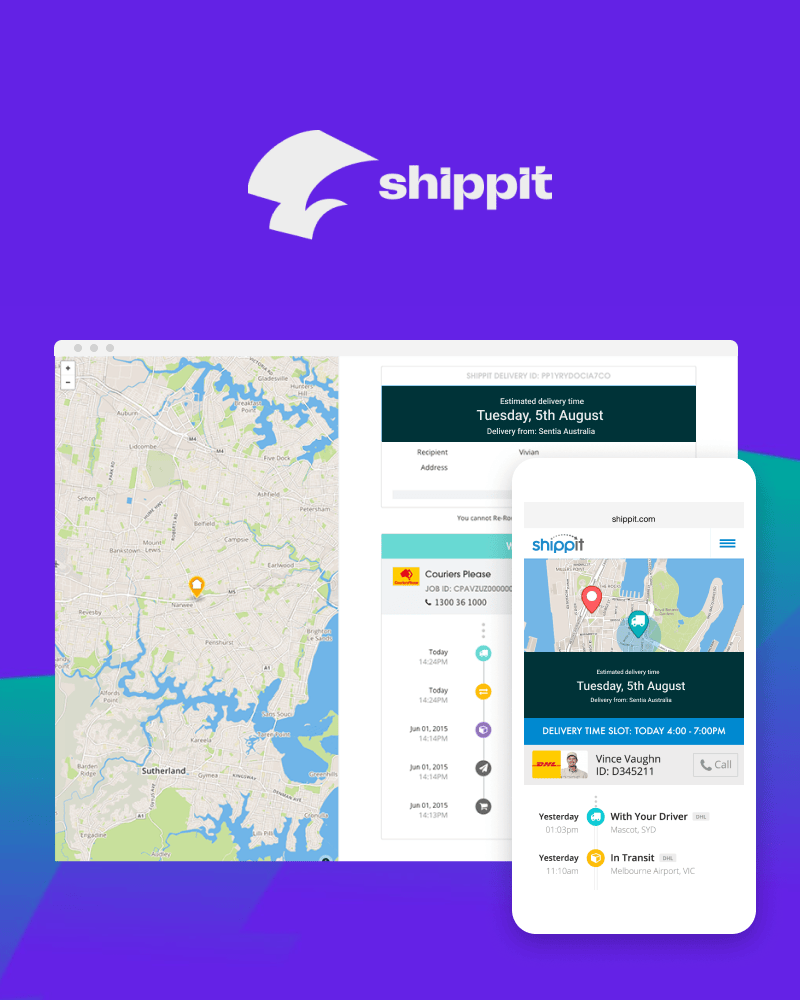
Shippit
Industry
Transport & Logistics, Retail & eCommerce
RANGEme
Industry
Marketplace, Retail & eCommerce
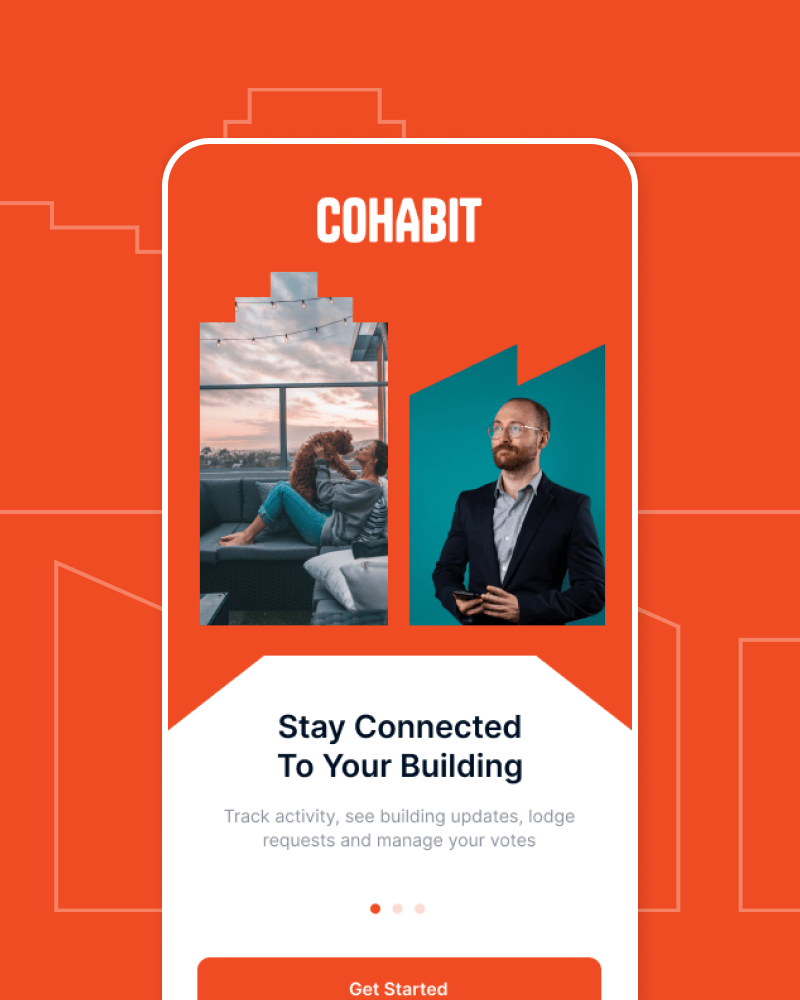
Cohabit
Industry
Real Estate