ServicesMobile app development
Cross-Platform Mobile App Development
Sentia has been building apps in Sydney since 2006. We build cross-platform mobile apps in React Native or Flutter: one codebase for iOS and Android, with native code where a feature needs it.
razvijaju sa Sentijom






Cross-platform mobile app development in Sydney, used where it fits.
One codebase where it fits.
Most screens, forms and flows work the same on iOS and Android. React Native or Flutter lets us build them once, so both apps ship together and stay in step.
Native where it doesn't.
Bluetooth hardware, heavy background work and demanding graphics can still need native code. We write those parts in Swift and Kotlin and plug them into the shared app.
The platform behind it.
A cross-platform app still needs a back end, an admin tool and two app store releases. We build the whole product with one team, so nothing gets lost in a handoff.
One codebase, two apps and the platform behind them.
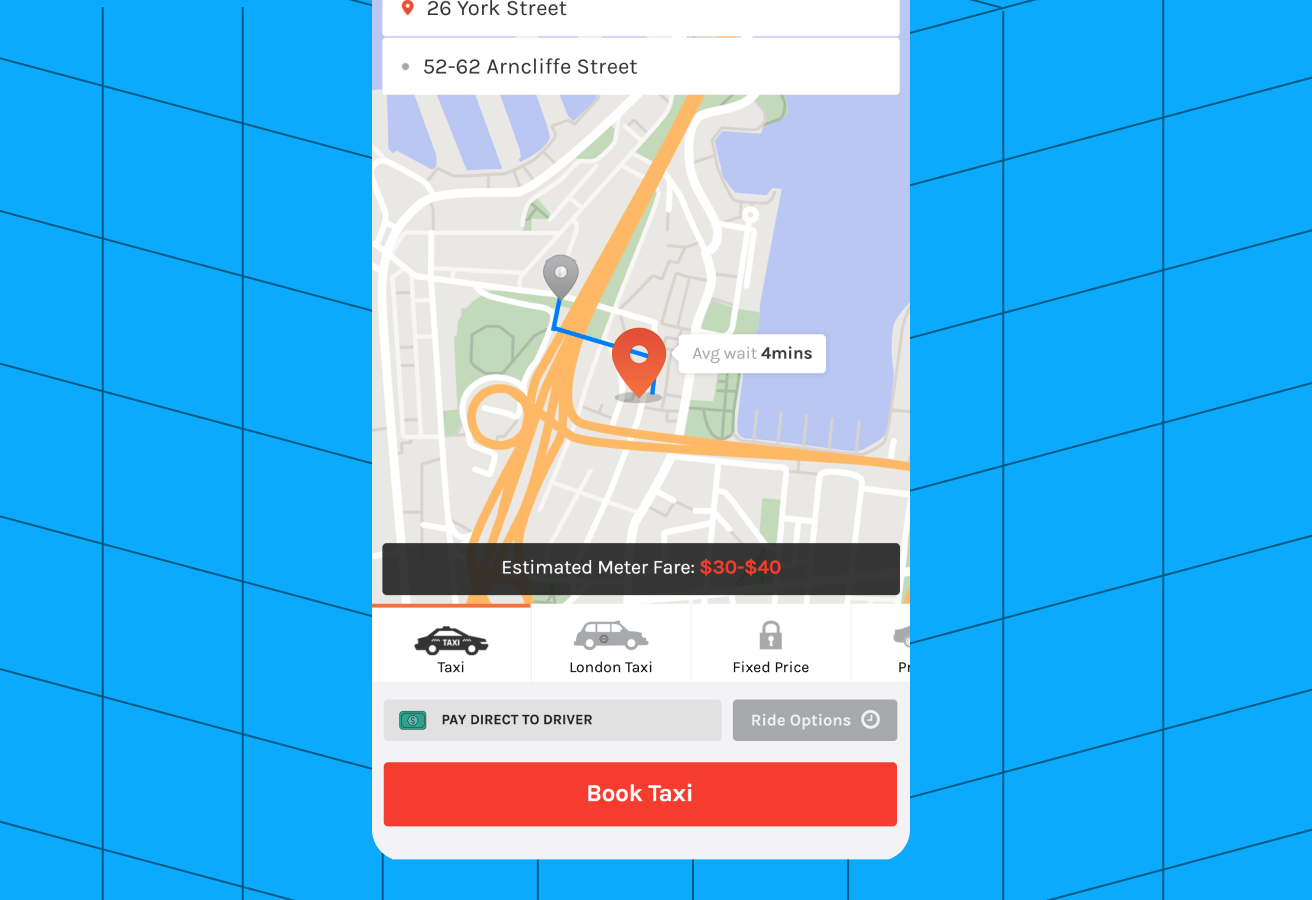
Taxi booking, with live fare estimates and ride options.
One codebase for iOS and Android.
We build cross-platform apps in React Native or Flutter, sharing the screens, logic and tests across both platforms. You get two store-ready apps from one codebase, released together and kept in step.
See our workJavaScript and TypeScript apps that render real native components on iOS and Android.
Google's toolkit for one Dart codebase, a strong fit for custom, brand-led interfaces.
We handle App Store and Google Play submission, review and release cycles.
Notifications, live updates and feeds that keep users engaged.
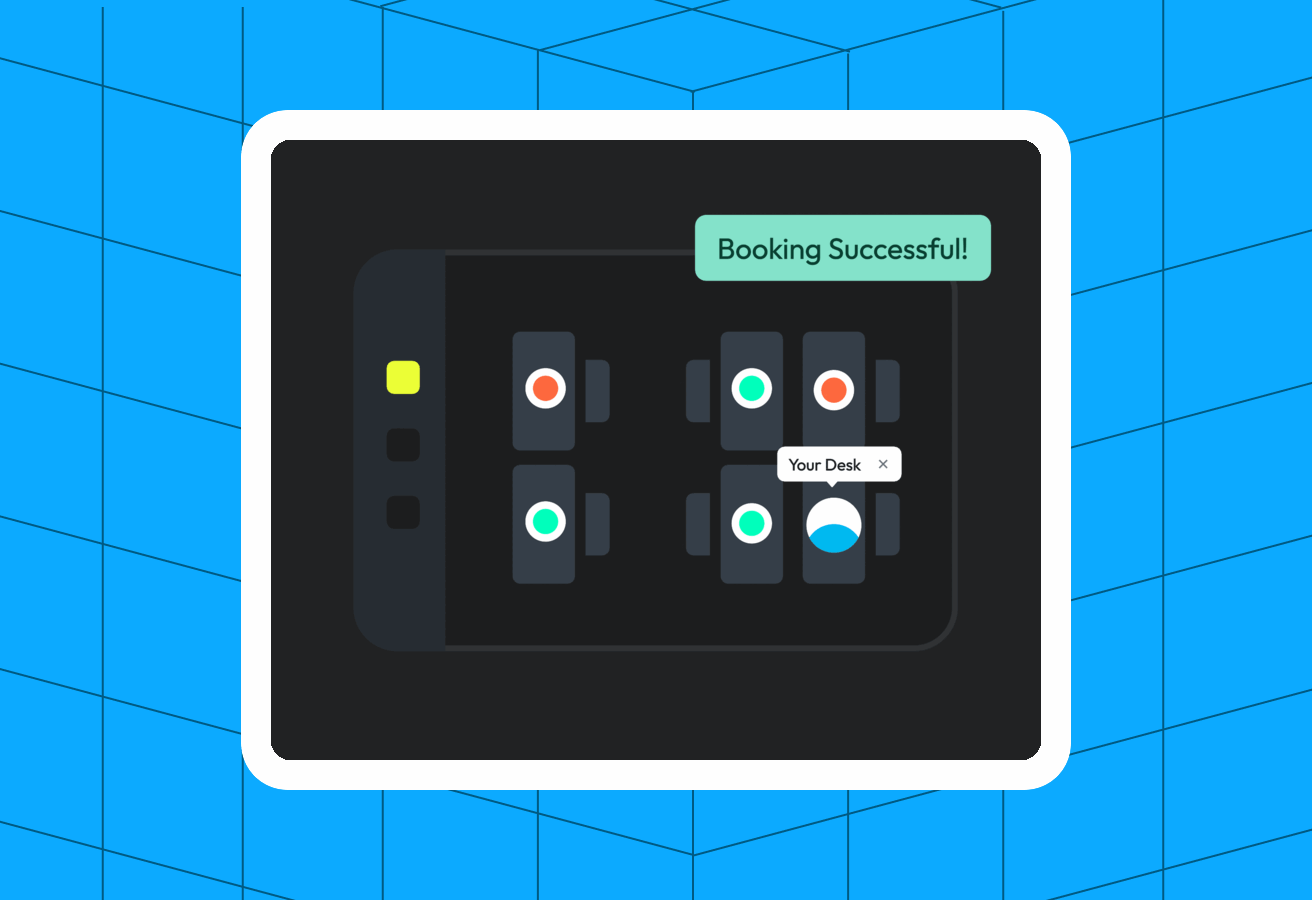
Smart building desk booking, connected to access control and beacon location.
Native code for the parts that need it.
Some features still need native code, such as Bluetooth hardware, background location and camera processing. We write those modules in Swift and Kotlin and connect them to the shared app, so you don't give up the hard parts.
See our workSensors, proximity detection and asset tracking via Bluetooth Low Energy.
Fast, accurate scanning with the phone's camera, built into the app.
Works without signal and syncs automatically when the connection returns.
Swift and Kotlin code for what the shared framework can't reach, in the same app.
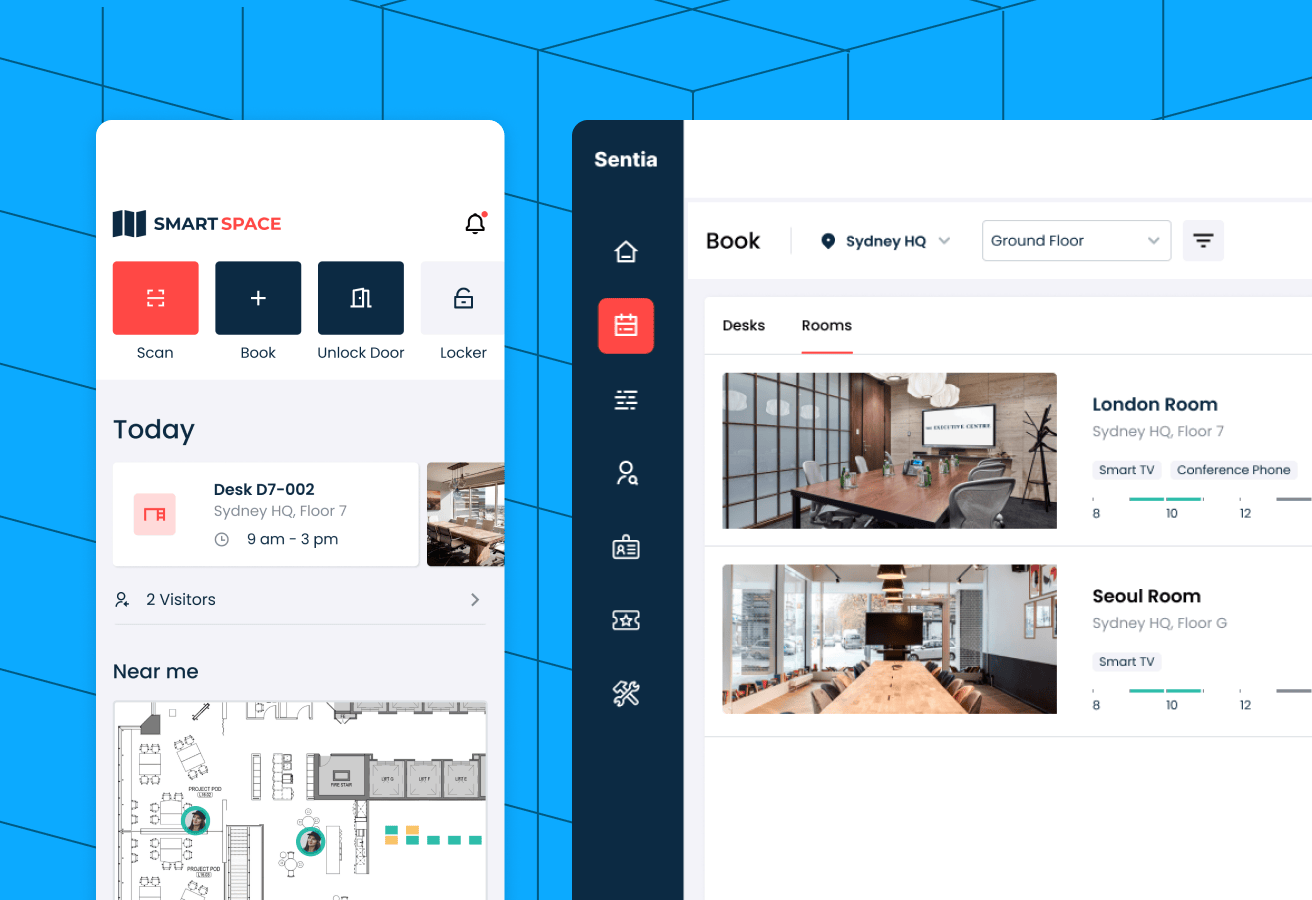
Smartspace (web + mobile — smart building access and management)
Multi-platform development, built as one product.
Your web platform, iOS app and Android app should share the same API, business logic and data. We plan every surface before code is written, so a change made once shows up everywhere.
See our workBack ends and APIs built alongside the app, connected to the systems you already run. Explore API integration
Admin tools and web apps that share business logic with the mobile apps.
Tablet-optimised layouts for field, clinical and enterprise use.
Web and mobile built together, with no handoffs between separate teams.
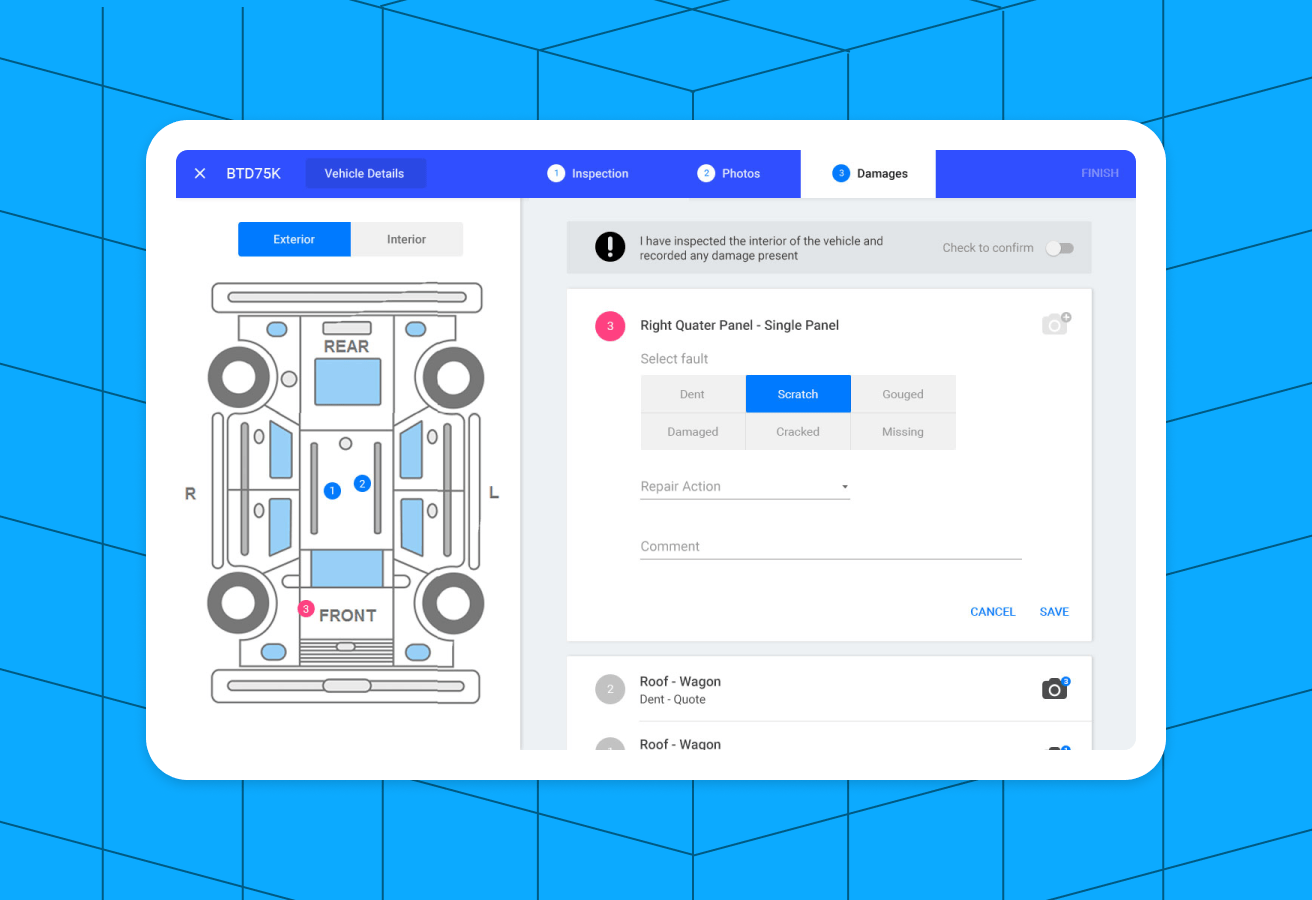
Vehicle inspections, field inspector view.
Apps that have drifted apart, brought back into line.
A web app built first and a mobile app added later often end up on different APIs and release cycles. We review what you have, then bring every app onto one shared platform, in stages if that suits.
See our workWe start by reviewing the apps, the back end and where they've drifted apart. Explore project rescue
Add Android to an iOS app, or mobile to a web platform, on the same back end.
Move one surface at a time, so your users always have a working app.
Where it makes sense, move two native apps onto one shared codebase.
Cross-platform or native?
The short answer, before you get a quote.
Cross-platform suits most business apps.
Bookings, marketplaces, field forms and member apps usually work well from one codebase. You build once, test once and release both apps together.
Native suits apps that live on the hardware.
Constant Bluetooth, heavy background work or demanding graphics are usually better built natively, one app per platform in Swift and Kotlin.
Cheaper isn't automatic.
One codebase saves on shared screens, not on design, the back end or two store releases. We'll show you where the savings really are before you commit.
Mixed is often the answer.
Many apps share most of their code and go native for one or two features. We'll recommend what suits your app, not what's easiest for us to build.
Still choosing a platform? See mobile app development.
From first conversation to the App Store and Google Play, with the right approach chosen before anything is designed.
Scope and estimate.
We start with what the app needs to do, who it's for and what has to sit behind it. Then we agree the requirements, a roadmap and a detailed estimate.
Choose the approach.
We weigh up the features, devices and budget, then recommend React Native, Flutter, native or a mix, and explain why before anything is designed.
Design and build.
One design for both platforms, adjusted where iOS and Android differ. The app and its back end are built together, and you see working software early.
Both stores and beyond.
We handle App Store and Google Play submission and review. After launch we keep both apps current, through support and maintenance or ongoing development.
Apps we've built across iOS, Android and web
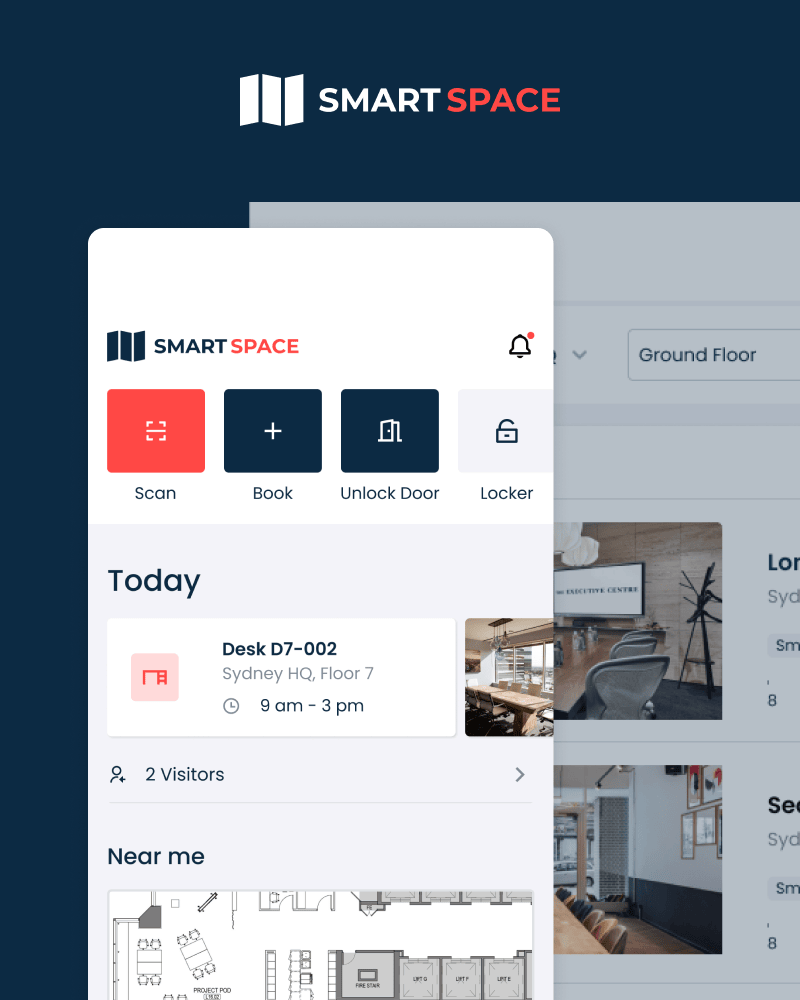
Smart Space
Industrija
Real Estate
Airtasker
Industrija
On-demand Service, Marketplace
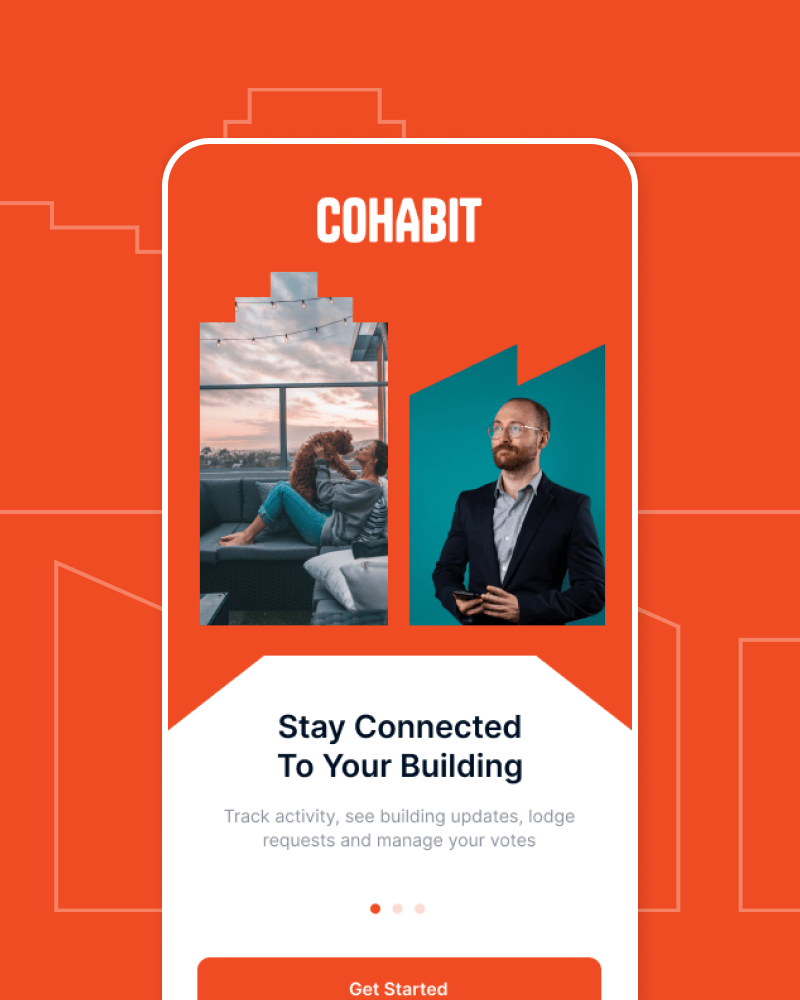
Cohabit
Industrija
Real Estate
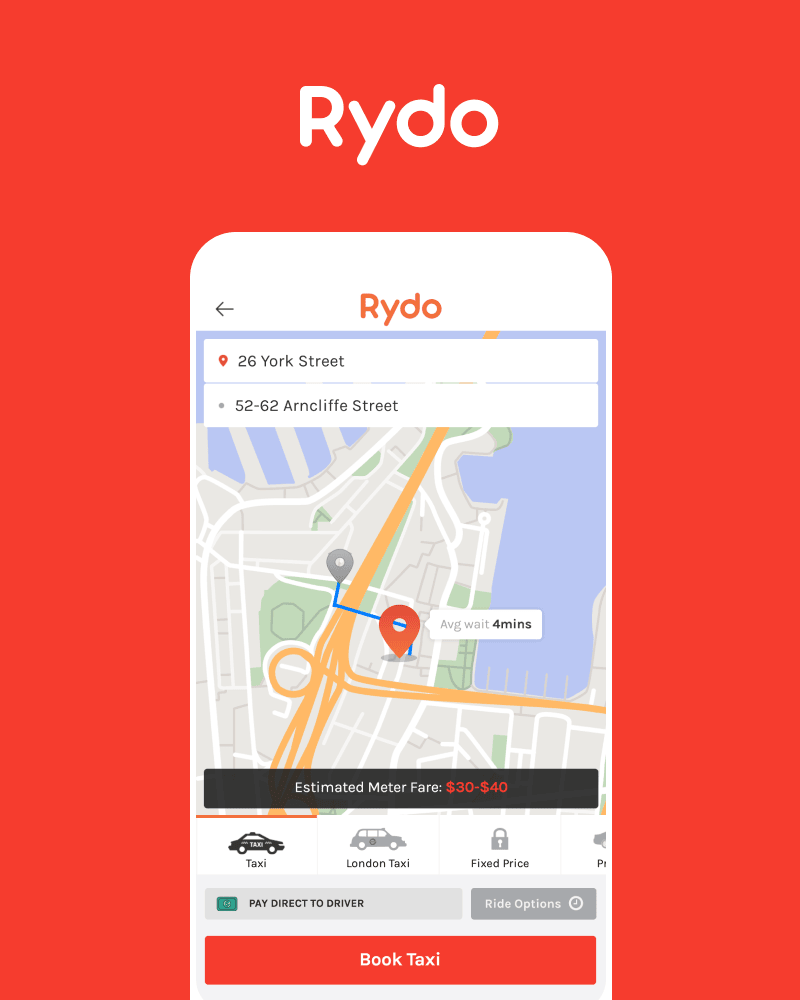
Rydo
Industrija
On-demand Service, Transport & Logistics